
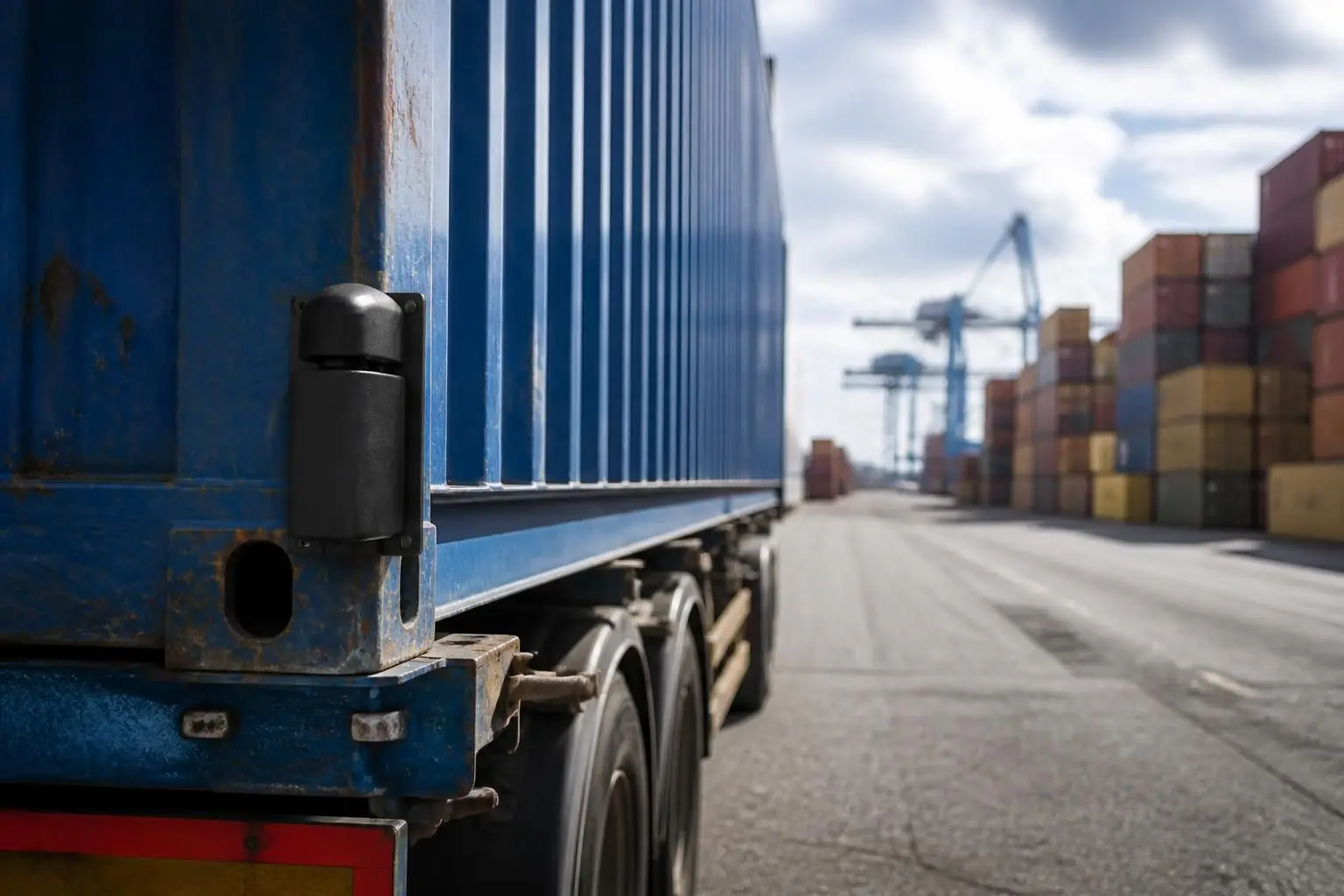
Every commercial import into the UK, and every export out of it, needs a customs declaration. Getting it right means the goods are released quickly and you pay the right duty. Getting it wrong means holds, storage and demurrage charges, and potentially penalties later.
What we handle
| Service | What it covers |
|---|---|
| Import declarations | Customs entries for sea, road and air imports, calculating duty and import VAT |
| Export declarations | UK export entries so goods can leave and you have proof of export for VAT |
| Safety and security | Entry summary declarations for goods arriving in Great Britain, filed before arrival |
| GVMS | Goods movement references for lorries using roll-on roll-off ports such as Dover, Holyhead and the Channel Tunnel |
| Transit (T1 / T2) | Moving goods under customs control, for example through the EU or from a port to an inland clearance point |
| Classification support | Checking commodity codes and the duty rates that go with them |
| Preference claims | Claiming lower duty under UK trade agreements with valid proof of origin |
| Special procedures | Customs warehousing, inward and outward processing, temporary admission and returned goods relief |
How import clearance works at a UK port
- Documents in: we receive the commercial invoice, packing list, bill of lading and any certificates.
- Checks: commodity codes, values, origin and any licences or SPS requirements are checked against the documents.
- Declaration lodged: the import declaration is submitted on HMRC's Customs Declaration Service (CDS), ideally before the vessel arrives.
- Duty and VAT: paid through a duty deferment account, accounted for using postponed VAT accounting, or paid immediately.
- Release: once the goods have arrived and HMRC has cleared the entry, the container can be collected. If HMRC selects it for a document check or an examination, we provide the documents or arrange the inspection.
Read how UK import duty and VAT are calculated for worked examples.
Documents you'll need
- Commercial invoice showing the seller, buyer, description, value, currency and Incoterm
- Packing list with weights and package counts
- Bill of lading, CMR or air waybill
- Your GB EORI number
- Commodity codes for each product
- Proof of origin, if you're claiming a preferential duty rate
- Licences, health certificates or other certificates if your goods need them
Why customs entries get held
- The invoice value, description or quantity doesn't match the packing list or bill of lading
- Commodity codes are missing, too vague or wrong
- No EORI number, or the importer named isn't the right one
- A preference claimed without valid proof of origin
- Licensable or controlled goods without the licence
- Food, plant or animal products without the right certificates or pre-notification
Ways to pay less, or pay later
- Postponed VAT accounting: VAT-registered businesses account for import VAT on their VAT return instead of paying it at the border
- Duty deferment: pay duty once a month instead of per shipment
- Trade agreement preferences: zero or reduced duty on qualifying goods, with valid proof of origin
- Customs warehousing: suspend duty and VAT until goods leave the warehouse for the UK market, or re-export them without paying UK duty
- Inward processing: suspend duty on goods imported for processing and re-export
- Returned goods relief: avoid paying duty again on UK goods coming back unchanged
Customs for European road freight
Since 2021, goods moving between Great Britain and the EU need declarations on both sides, plus safety and security data and, at roll-on roll-off ports, a GVMS reference. We handle the declarations on both sides in-house, so the load clears at both ends without being passed between companies. See do I need customs for UK–EU freight?
Why use us
We combine customs with the freight itself, so the person checking your entry knows when your vessel is due and when your haulage is booked. That joined-up view is what stops a small paperwork issue turning into days of storage at the port. We're happy to quote customs clearance on its own, or as part of your deep sea, European or UK haulage service.
Written by the 365 Freight team · Last reviewed . Rates, rules and schedules change, so we'll confirm the details for your shipment when we quote.