Deep sea freight from the UK, explained
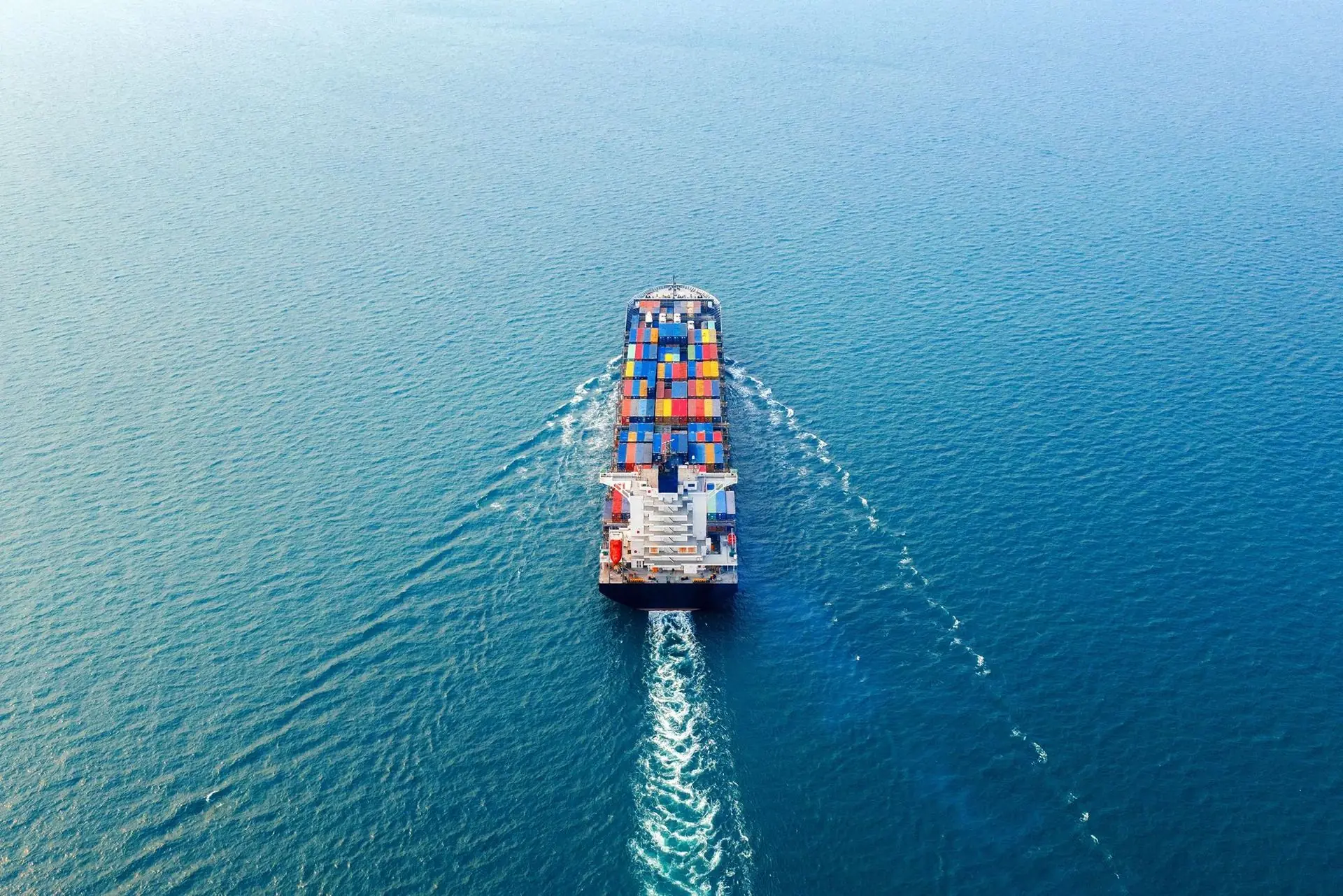
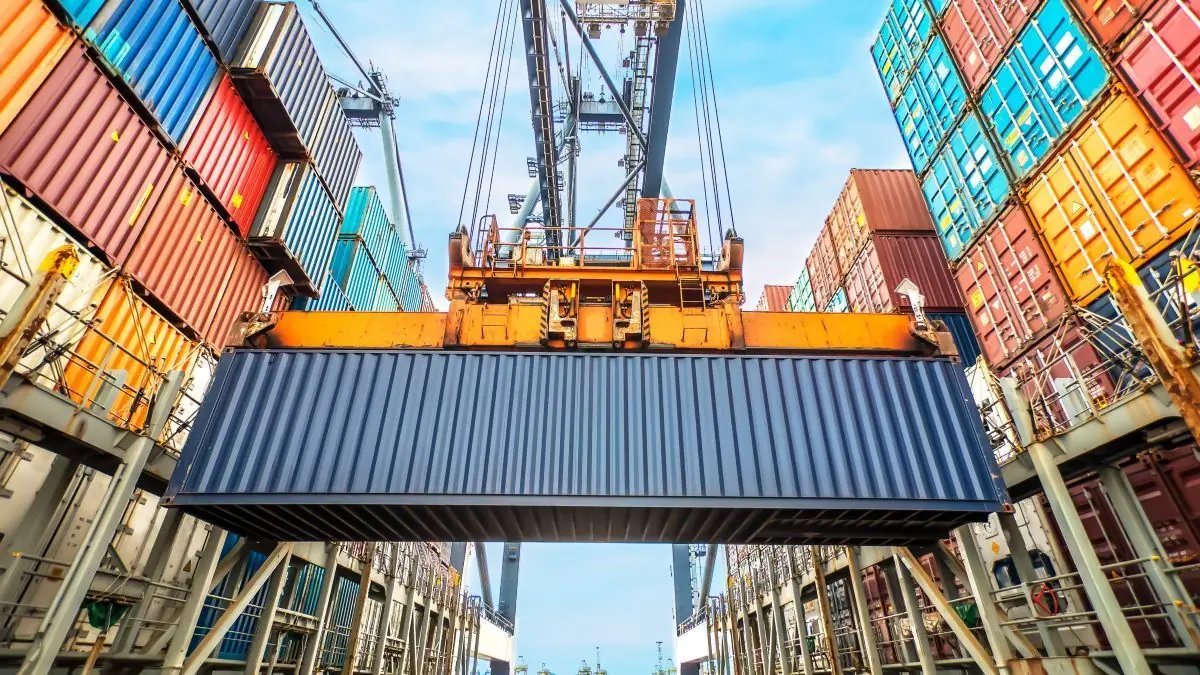
Deep sea freight covers container shipping between the UK and ports outside Europe: Asia, the Middle East, the Americas, Africa and Australasia. Most of it moves as FCL, a full container booked for your goods alone, which is the cheapest and safest way to ship once you have around 13–15 m³ or more. For smaller volumes we compare FCL with LCL groupage so you can see which is cheaper door to door.
Typical transit times from the UK
| Region | Main ports | Typical transit |
|---|---|---|
| Far East | Shanghai, Ningbo, Shenzhen, Busan | About 28–35 days via Suez |
| South East Asia | Singapore, Port Klang, Cai Mep, Laem Chabang | About 24–32 days via Suez |
| Indian Subcontinent | Nhava Sheva, Mundra, Chittagong, Colombo | About 20–30 days via Suez |
| Middle East & Gulf | Jebel Ali, Dammam, Hamad | About 18–26 days via Suez |
| North America | New York, Savannah, Montreal, Houston | About 10–24 days |
| South & Central America | Santos, Cartagena, San Antonio, Callao | About 18–35 days |
| Africa | Durban, Lagos, Tema, Mombasa | About 15–35 days |
| Australia & New Zealand | Sydney, Melbourne, Auckland | About 35–50 days |
Asia–Europe carriers have been moving services back through the Suez Canal during 2026. Services still routed via the Cape of Good Hope take roughly 10–14 days longer. We always confirm the routing of the service we quote.
Imports and exports
Importing into the UK
For imports we work back from the date you need the stock. Our origin agents contact your supplier, confirm the cargo-ready date and book collection. We check the commercial invoice and packing list before the vessel sails, lodge the UK customs entry in-house before arrival, and book haulage so the container is collected within free time. See how UK import duty is calculated.
Exporting from the UK
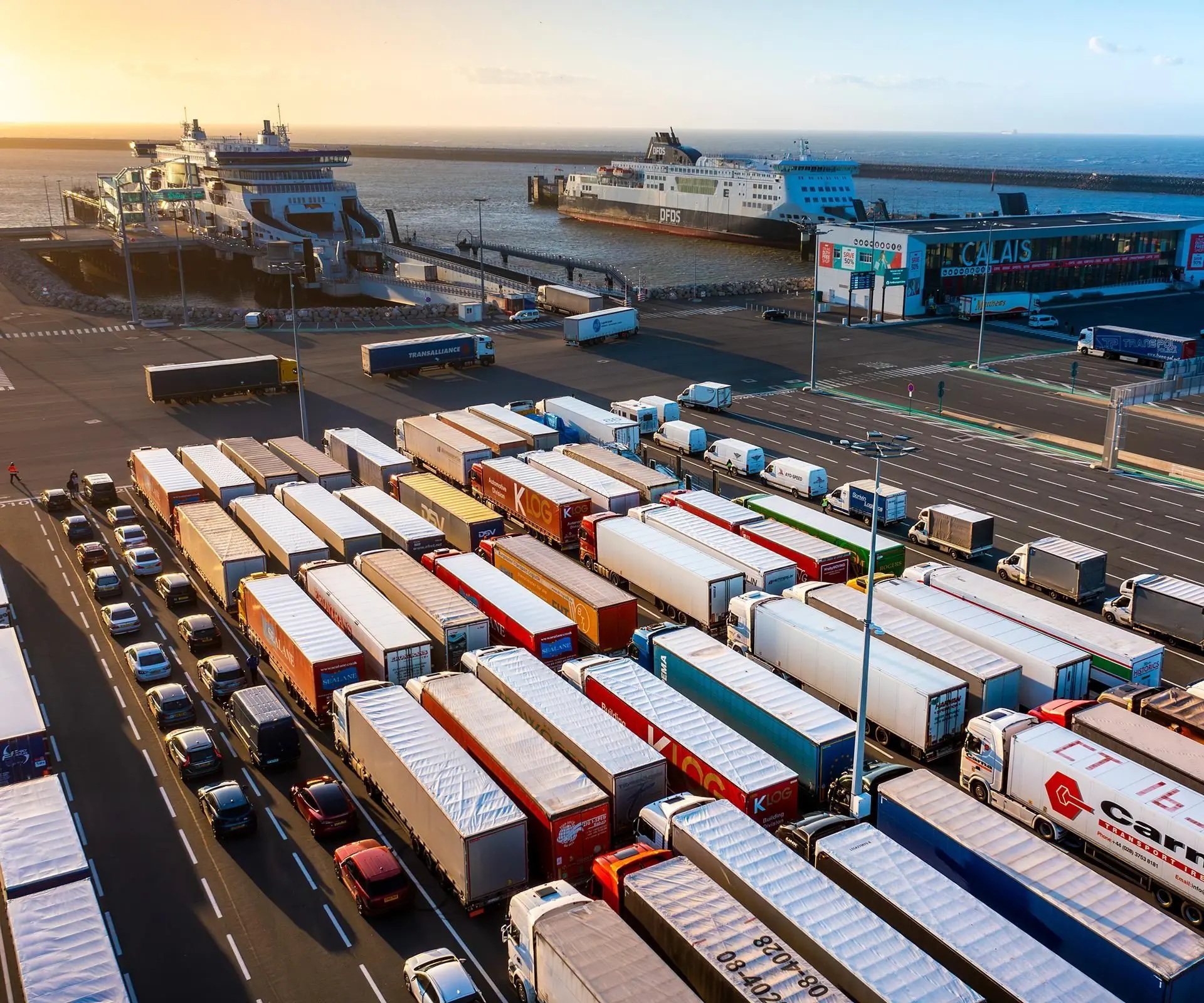
For exports we release an empty container to your site, collect it once loaded and deliver it into the terminal before the vessel's cut-off. We need the verified gross mass (VGM), any dangerous goods details and your commercial documents in good time, and we lodge the UK export declaration. We'll also tell you what the destination country needs, such as certificates of origin or pre-shipment inspections, before the container leaves.
Who controls the freight matters
Your Incoterm decides who books the main sea freight. Under FOB or FCA you control it: you choose the carrier, see the full cost and deal with one forwarder from the factory to your door. Under CIF or CFR your supplier's forwarder books it, and destination charges in the UK are often higher than they would otherwise be. For most importers we recommend buying FOB. Read FOB vs CIF.
Containers and specialist equipment
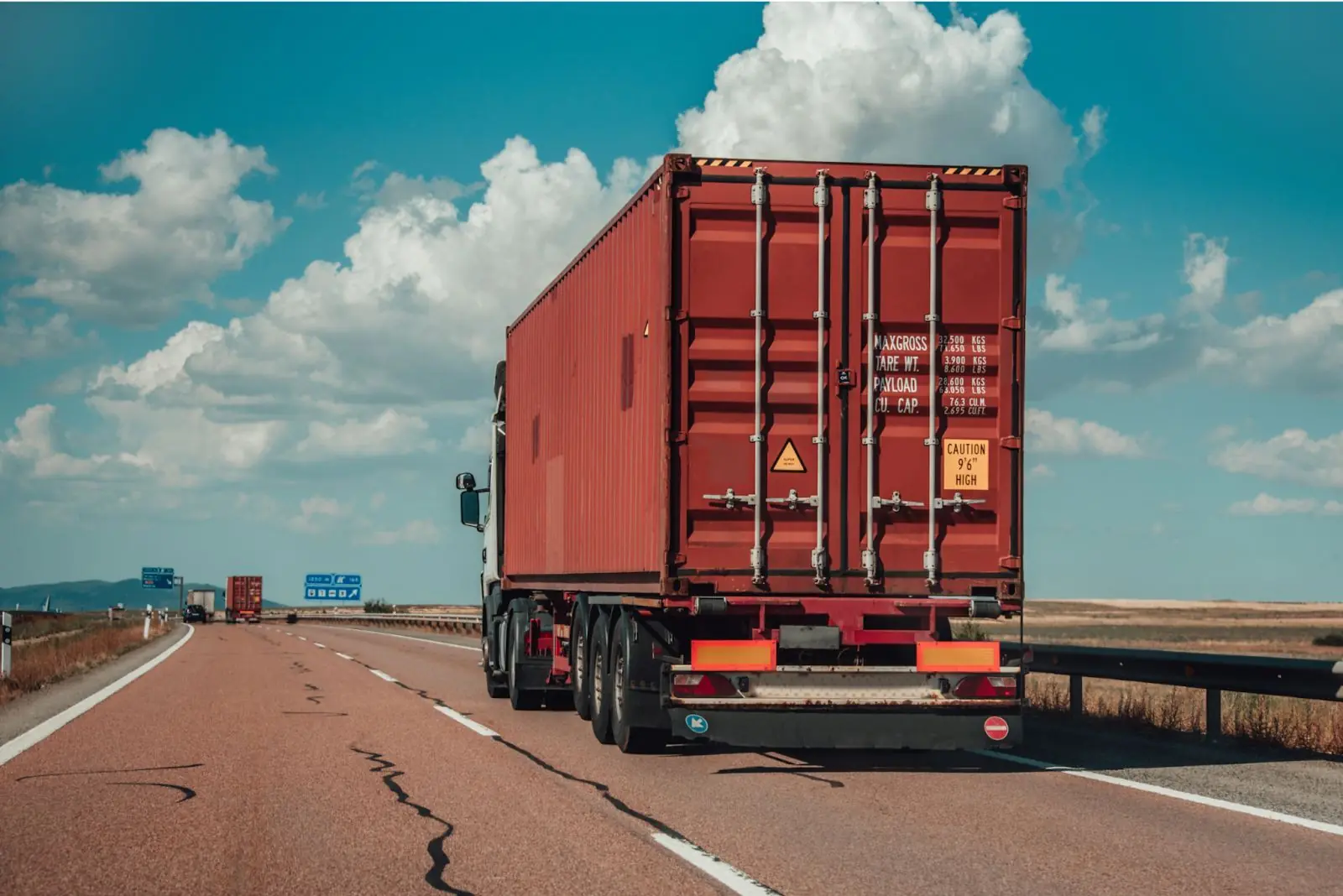
Most cargo travels in 20ft, 40ft or 40ft high cube dry containers. For temperature-sensitive goods we book reefer containers, and for machinery or oversized cargo we use flat racks, open tops or breakbulk through our project cargo service. Not sure what fits? Try the container load calculator.
Updates you don't have to chase
Every shipment gets automated updates and push notifications at the key milestones: booking confirmed, loaded, sailed, transhipped, arriving, cleared and delivered. If something changes, such as a delayed vessel, a rolled booking or a customs check, we tell you straight away and explain what we're doing about it.