
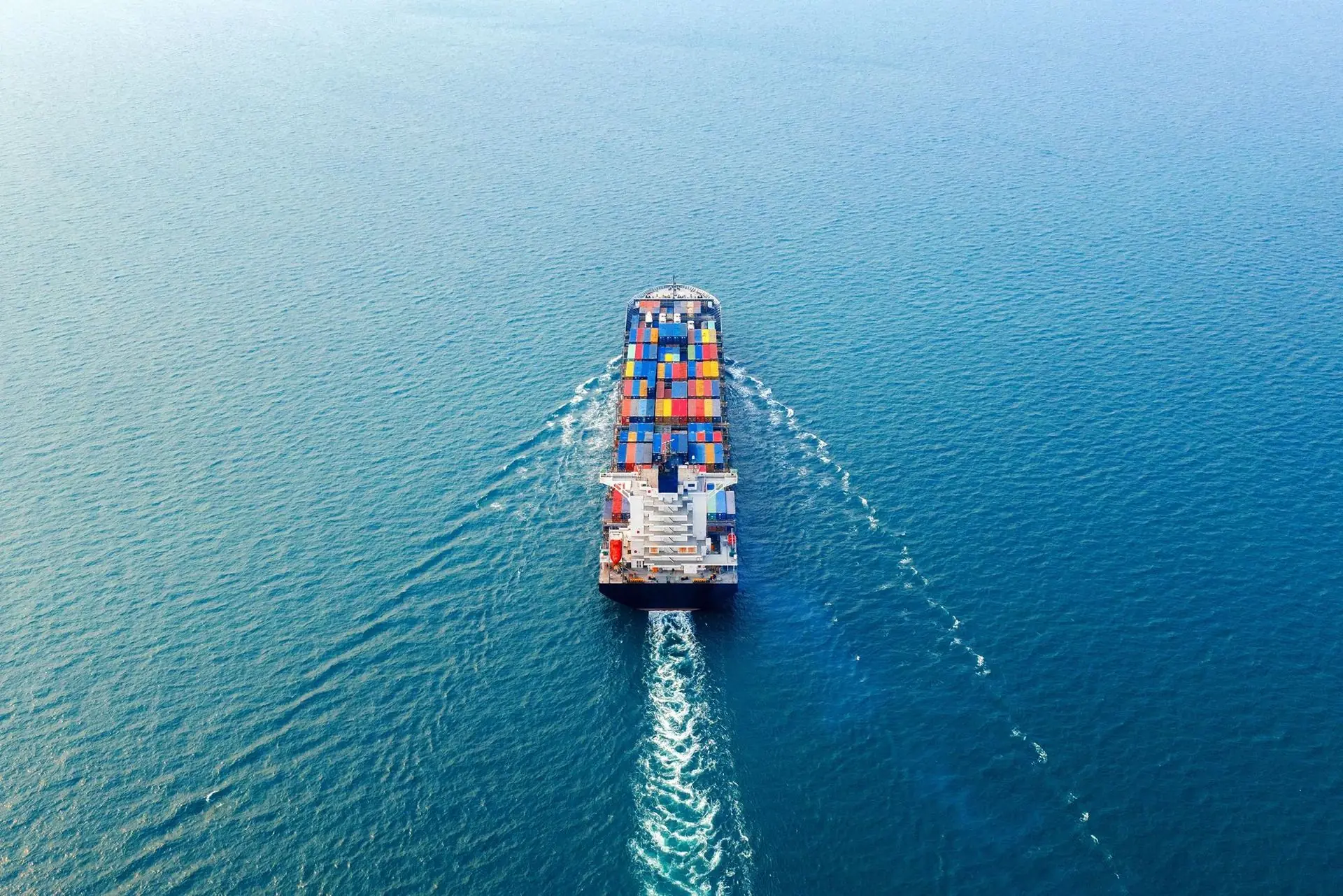
Many UK businesses have moved some or all of their sourcing from China to Vietnam in recent years. The shipping works in a similar way, but there are two important differences: fewer direct sailings to the UK from some Vietnamese ports, and a trade agreement that can cut your duty bill, if you handle the paperwork correctly.
Transit times from Vietnam to the UK
| From | To | Via Suez Canal | Via Cape of Good Hope |
|---|---|---|---|
| Cai Mep (direct services) | Felixstowe / Southampton | 25–31 days | 37–43 days |
| Ho Chi Minh City (Cat Lai), with transhipment | Felixstowe / Southampton | 30–38 days | 42–50 days |
| Haiphong (direct or via a hub) | Felixstowe / London Gateway | 30–38 days | 42–50 days |
Indicative ranges. Many sailings tranship at Singapore, Hong Kong or another hub, which adds time. Carriers have been moving Asia–Europe services back through Suez during 2026, so check the routing you're quoted.
Main Vietnamese ports
| Port | Where | Notes |
|---|---|---|
| Cai Mep–Thi Vai | South, near Ho Chi Minh City | Deep-water terminals with direct mainline services to Europe |
| Ho Chi Minh City (Cat Lai) | South | Vietnam's busiest container terminal, mostly feeder and intra-Asia services |
| Haiphong (including Lach Huyen) | North, near Hanoi | Serves northern factories, electronics and garments |
| Da Nang and Quy Nhon | Central | Smaller ports, usually transhipped |
For factories in the south, a direct service from Cai Mep is usually the quickest option. Cat Lai often has more sailing dates but usually tranships. In the north, Haiphong serves the industrial zones around Hanoi.
Cutting your duty with the UK–Vietnam trade agreement
The UK–Vietnam Free Trade Agreement (UKVFTA) has applied since 1 January 2021, and both countries are also members of the CPTPP trade partnership. Many goods originating in Vietnam can enter the UK at reduced or zero duty rates. To claim the preference:
- The goods must originate in Vietnam under the agreement's rules of origin. Goods that are only assembled or repackaged there may not qualify.
- You need valid proof of origin, usually a movement certificate issued in Vietnam or an origin declaration made by the exporter on the invoice.
- Your customs entry must claim the preference with the right document codes.
- Customs value (goods plus freight to the UK)
- £30,000
- Duty at an example standard rate of 5.6%
- £1,680
- Duty at a 0% preferential rate
- £0
- Duty saved on one container
- £1,680
Illustrative figures. Check the standard and preferential rates for your own commodity code on the UK Trade Tariff. HMRC can check origin claims for several years after import, so keep the supplier's origin evidence.
Documents you'll need
- Commercial invoice and packing list
- Bill of lading
- Proof of origin, if you're claiming a preferential rate
- Your GB EORI number and correct UK commodity codes
- ISPM 15 treated wood packaging
What we commonly ship from Vietnam
- Furniture, both wooden and upholstered
- Clothing, footwear and textiles
- Electronics and components
- Ceramics, homeware and garden products
- Coffee, cashews and other food products (with the right health checks)
Plan around Tết
Tết, the Lunar New Year in January or February, is Vietnam's biggest holiday. Factories often close for one to two weeks or more, and there's a rush for space beforehand, much like Chinese New Year. Build it into your ordering plan.
How we handle Vietnam imports
We compare direct and transhipment options so you can choose between speed and price, work with origin agents in both the south and the north, check your origin documents before the vessel sails, and arrange UK haulage for delivery within free time.
Written by the 365 Freight team · Last reviewed . Rates, rules and schedules change, so we'll confirm the details for your shipment when we quote.